
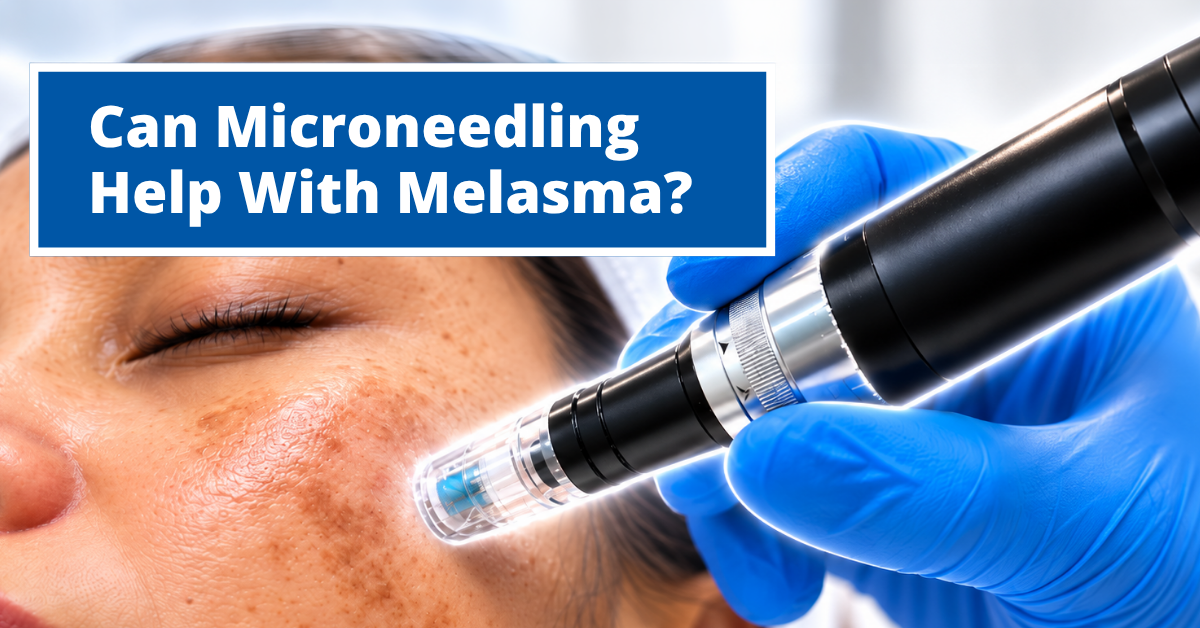
Can Microneedling Help With Melasma?
By Dr. Tagai, Hawaii Premier Dermatology
If you’ve been fighting brown or gray-brown patches on your cheeks, forehead, or upper lip, you already know how stubborn melasma can be. Brightening creams help a little, the patches fade, and then a few weeks of sun bring them right back. It’s frustrating, and it’s one of the most common reasons patients come to see us. The good news: microneedling for melasma is one of the most promising in-clinic options available today, especially for patients who haven’t gotten far with creams alone.
What Is Melasma?
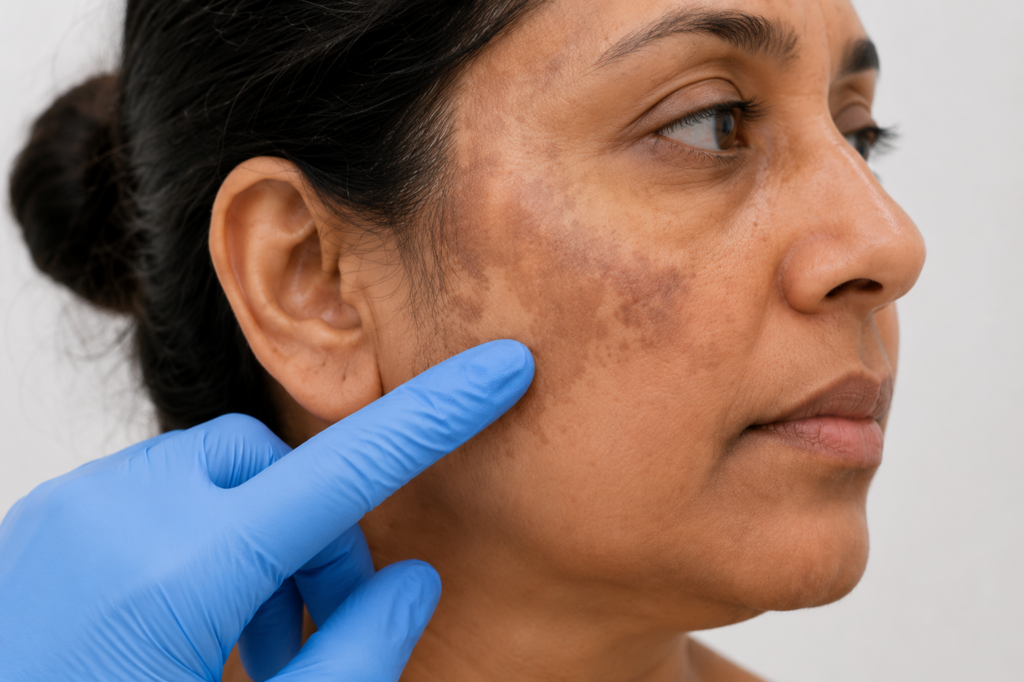
Melasma is a common skin condition that causes flat, blotchy patches of darker pigment, usually on the face. It happens when the pigment-producing cells in your skin become overactive. It’s more common in women and in medium to darker skin tones, and it tends to show up in a symmetrical pattern on both sides of the face.
Common triggers include:
- Sun and visible light, the biggest trigger by far
- Hormonal changes, such as pregnancy or birth control pills
- Heat, which can make patches darker even without direct sun
- Genetics, since melasma often runs in families
With year-round sun like we have in Hawaii, melasma can be especially hard to keep under control.
Types of Melasma
- Epidermal: pigment sits in the top layer of skin. It usually has sharper edges and tends to respond best to treatment.
- Dermal: pigment sits deeper. It looks more blue-gray and is harder to treat.
- Mixed: a combination of both, and the most common type your dermatologist will see.
How Microneedling Helps
Microneedling uses a device with very fine needles to create tiny, controlled channels in the skin. This does two important things for melasma:
- It kick-starts your skin’s natural repair process, helping it renew and even out over time.
- It helps brightening treatments work better. Those tiny channels let pigment-fighting ingredients, like tranexamic acid, reach deeper into the skin than a cream can on its own.
Microneedling also produces very little heat. That matters, because heat from some aggressive lasers can actually make melasma worse. Research shows microneedling can meaningfully lighten melasma, especially when it’s paired with topical brightening agents.
What to Expect
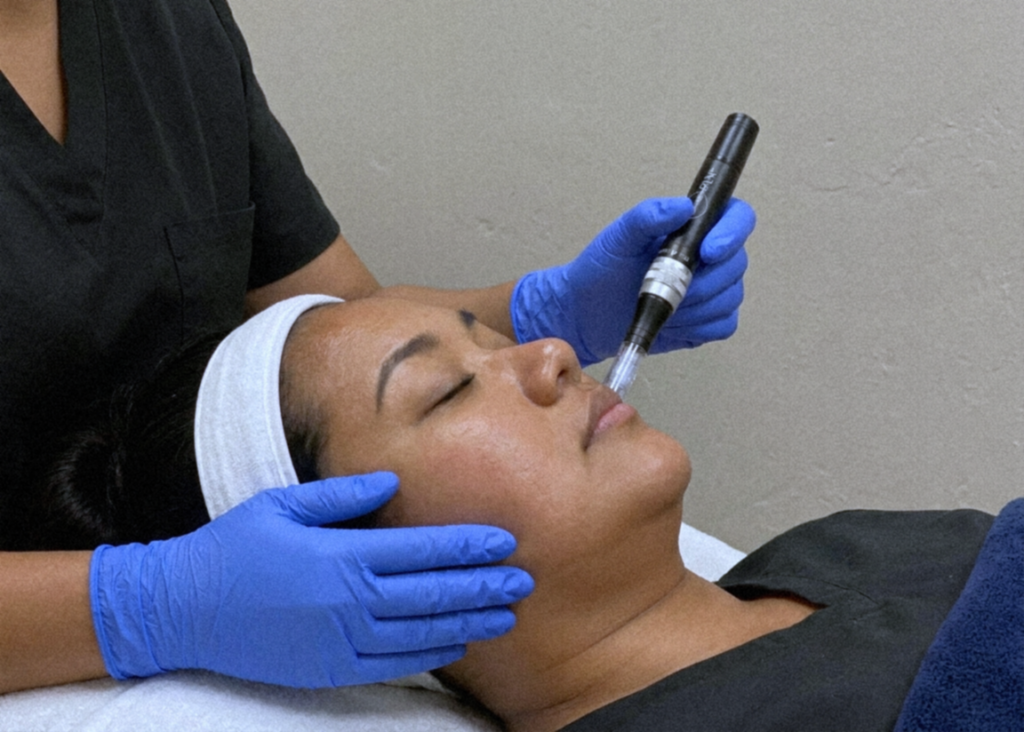
Each session takes about 30 to 45 minutes, and a numbing cream keeps you comfortable. Afterward, your skin may look pink and feel like a mild sunburn for a day or two. Most patients go back to normal activities the next day.
Melasma responds best to a series of treatments, usually three sessions spaced about four weeks apart. Results build gradually, and daily broad-spectrum mineral sunscreen is essential to protect them. Melasma can’t be cured for good, but with the right plan it can be kept under control.
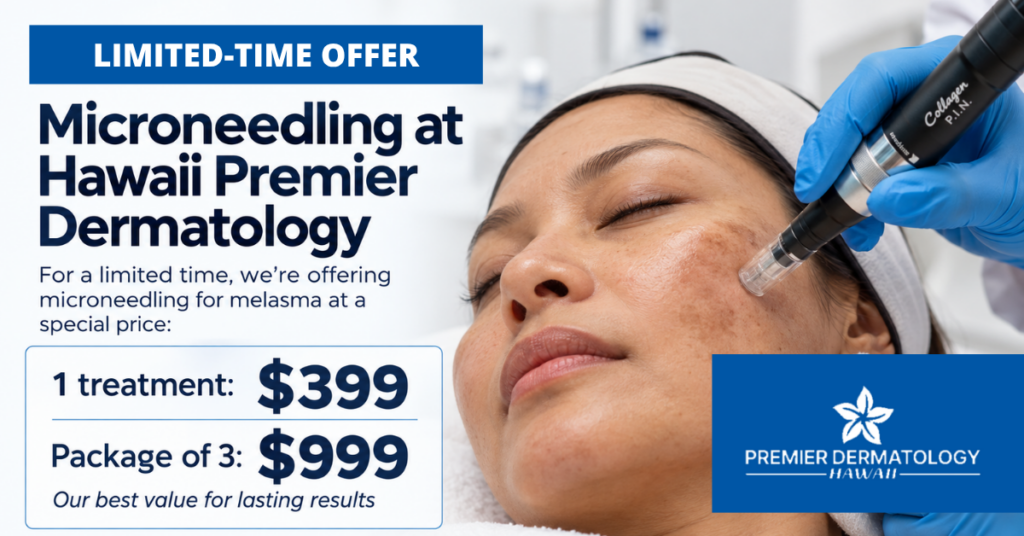
For a limited time, we’re offering microneedling for melasma at a special price: $399 for a single treatment, or $999 for a package of three. Since melasma responds best to a series of treatments, the package is our best value for lasting results.
It may be time to book a visit if:
- Brown or gray-brown patches aren’t fading with over-the-counter products
- Your melasma comes back every time you’re in the sun
- Patches appeared during or after pregnancy or while on birth control
- You’re not sure whether your dark spots are melasma, sunspots, or something else
- Uneven skin tone is affecting your confidence
Not every dark patch is melasma, so a proper diagnosis is the first step. Your dermatologist can confirm what’s going on and build a plan that fits your skin type.
Melasma is stubborn, but you don’t have to keep living with it. Microneedling gives patients a safe, low-heat way to fade pigment and help brightening treatments do their job, all with minimal downtime. At Hawaii Premier Dermatology, we’ll build a melasma treatment plan around your skin and your goals.
 Book your microneedling for melasma consultation today and take advantage of our limited-time pricing.