
Catch It Early:
Top Skin Cancer Screening in Honolulu
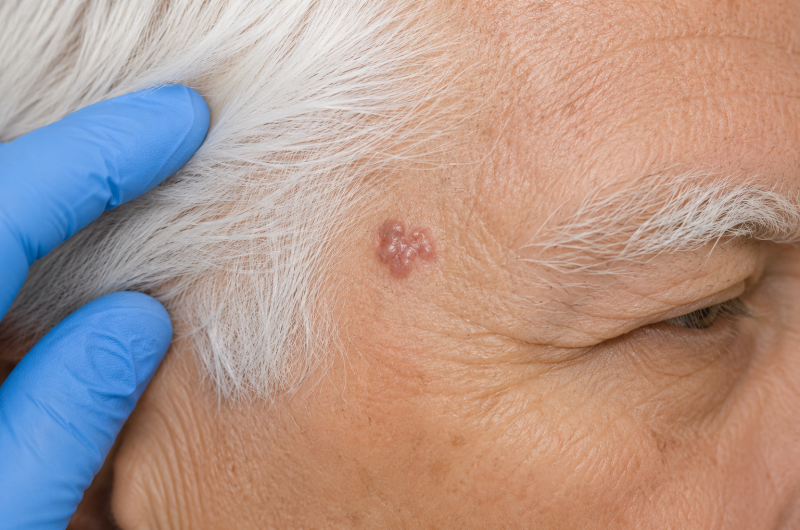
Hawaii’s year-round sunshine is part of what makes island life so good — but it also gives Hawaii the highest UV-attributable melanoma rate in the entire United States. With nearly all melanoma cases here linked to sun exposure, a routine skin cancer screening is one of the most important appointments you can make. At Hawaii Premier Dermatology, our board-certified experts provide thorough, head-to-toe skin exams designed to catch skin cancer early, when it’s most treatable.
Catch It Early:
Top Skin Cancer Screening in Honolulu
Hawaii’s year-round sunshine is part of what makes island life so good — but it also gives Hawaii the highest UV-attributable melanoma rate in the entire United States. With nearly all melanoma cases here linked to sun exposure, a routine skin cancer screening is one of the most important appointments you can make. At Hawaii Premier Dermatology, our board-certified experts provide thorough, head-to-toe skin exams designed to catch skin cancer early, when it’s most treatable.
How Skin Cancer Forms
Skin cancer begins when something damages the DNA inside skin cells, causing them to grow out of control. That damage builds up through a few key pathways:
DNA Mutation
Ultraviolet radiation from the sun (or tanning beds) penetrates the skin and directly damages the DNA inside skin cells. Over time, this damage accumulates and can disable the genes that normally keep cell growth in check, allowing abnormal cells to multiply unchecked.
Cumulative Sun Exposure
Most skin cancers develop after years of repeated UV exposure rather than a single event. In a place like Hawaii, where outdoor living is a daily habit, that exposure adds up quickly — which is why the islands see some of the highest melanoma rates in the country.
Genetics & Immune Factors
Fair skin, a family history of skin cancer, a weakened immune system, and a high number of moles can all make it easier for damaged cells to develop into cancer. These factors don’t cause skin cancer on their own, but they lower the threshold at which sun damage turns dangerous.
The staff was pleasant, the wait was short, and the diagnosis and treatment was very straightforward. Dr. Musaev has excellent knowledge and explained things well. The procedure was quick and painless. Clinic location and parking was easy. A great community resource!

Yoichi Soma
Great experience at Hawaii Premier Dermatology! This was my first derm appointment and I am very happy I chose to come here. Justin was very knowledgeable and helpful and I even got something else checked that I didn’t originally plan on getting checked. I’ll be coming here from now on and I highly recommend!

Rhema Wong
Justin Maio and staff were super friendly. I was actually a bit late to my appointment but was still accommodated. Great experience.

Kim Nicely
Wonderful, respectful, easy to schedule, easy to check in. Doctor was prompt and thorough and kind. He spent as much time as needed with me. Definitely recommend Hawaii Premier Derm, thanks y’all!

Colby Kohler
Dr Tagai and his assistants were detailed and quick in my recent visit. They helped me navigate many paths forward for me to choose from based on my skin condition. Thanks!

Sumsum Smead
Very fast and professional. I was nervous at first as it was my first doctor appointment ever since I’ve moved here but everyone was very friendly and I felt so welcomed there . Thank you Dr. Tagai, Grace and the front staff .💕

Tiffany Ide
Justin Maio is #AMAZING. Such a wonderful person with a great personality, and he always puts you at ease–even when it can be scary getting biopsies! I would travel 50 miles anywhere on this island just to see him–and I already go 22! Best office with the nicest and most professional staff. I truly cannot say enough positive things–No joke!

Kathy Coryea
Had a worry about a skin cancer spot and was relieved when Dr. Tagai had a spot for me that week. He had excellent bedside manner and was compassionate when I was a bit of a wimp (okay, a big wimp) with the needle. Highly recommend him.

Cherie Y
After two years of wondering and self treating and many healthcare visits to the cheap clinics and constant AI asks, I paid out of pocket less than $400 for 2 visits to find out I have a rare skin condition called Actinic Dermatitis. Thank you Justin, now I know and now I can sleep well at night and understand what is NOT causing this. I really appreciate your expertise!

Tim Swartz
Wonderful experience! The staff was professional, kind, and attentive. Justin was very friendly, knowledgeable, and made me feel comfortable throughout the visit. Highly recommend this clinic!

Olena Mazur
What to Expect at Your Screening
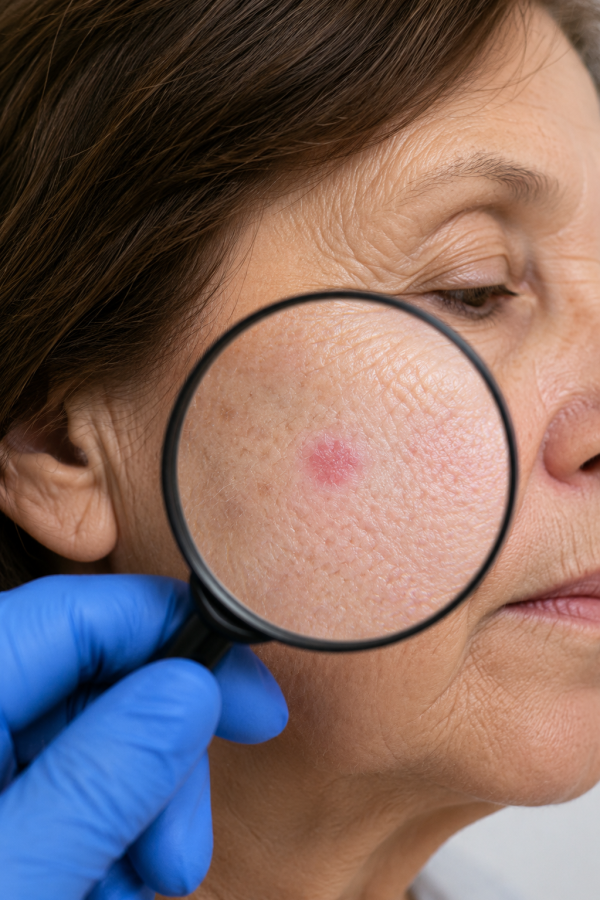
A skin cancer screening at Hawaii Premier Dermatology is quick, thorough, and designed to catch concerns before they become serious.
- Full-Body Skin Exam:
We carefully examine your skin from scalp to soles, including areas you can’t easily see yourself.
- Dermoscopy:
A handheld magnifying tool lets us look beneath the skin’s surface to evaluate suspicious spots in detail.
- Biopsy, If Needed:
If we find something concerning, we can often perform a quick, in-office biopsy the same day for a definitive diagnosis.
Most screenings take less than 20 minutes, and early-stage skin cancer is highly treatable when caught at a routine visit like this one.
Types of Skin Cancer
Skin cancer isn’t one disease — it’s a group of conditions that behave very differently depending on where they start. Together, these four types account for virtually all skin cancer diagnoses:
Basal Cell Carcinoma (BCC)
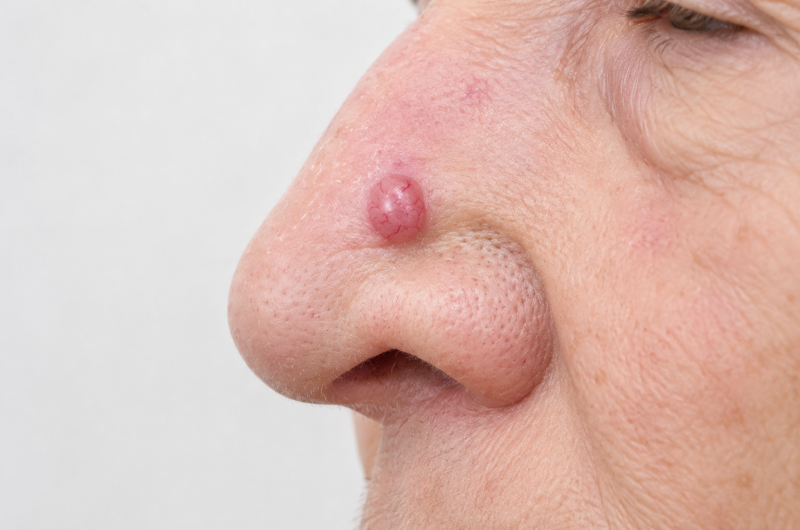
The most common skin cancer, making up roughly 8 in 10 cases. BCC grows slowly and rarely spreads beyond the skin, but left untreated it can damage surrounding tissue. Most often appears on sun-exposed areas like the face, neck, and arms.
Squamous Cell Carcinoma (SCC)
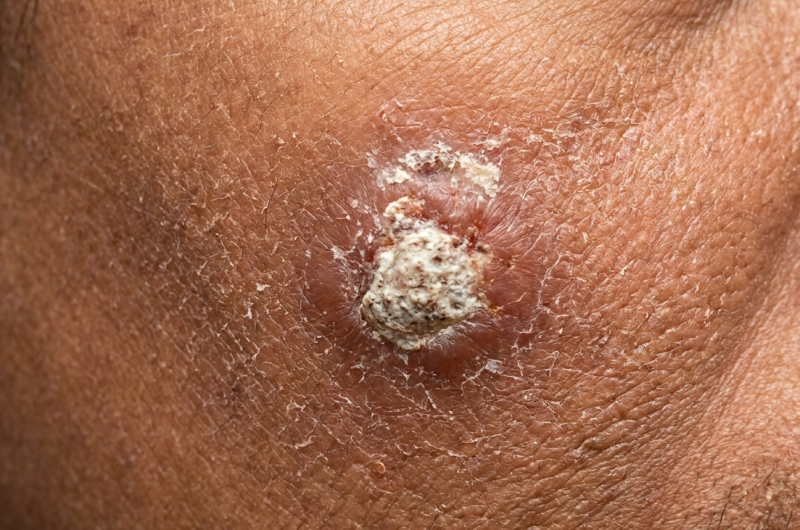
The second most common type. SCC can grow faster than BCC and carries a higher risk of spreading if not caught early. Commonly found on the ears, lips, face, and hands — areas that see frequent sun exposure.
Melanoma
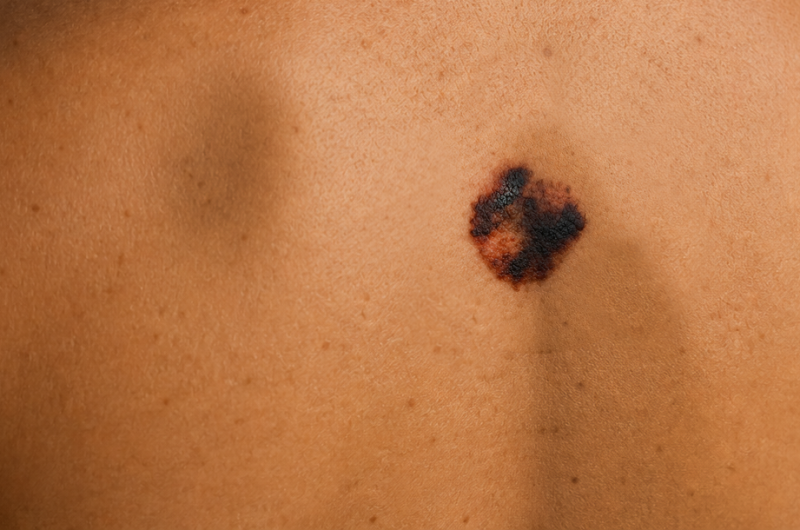
Far less common than BCC or SCC, but the most dangerous. Melanoma develops in pigment-producing cells and is far more likely to spread to other parts of the body, making early detection critical to survival.
Merkel Cell Carcinoma (MCC)
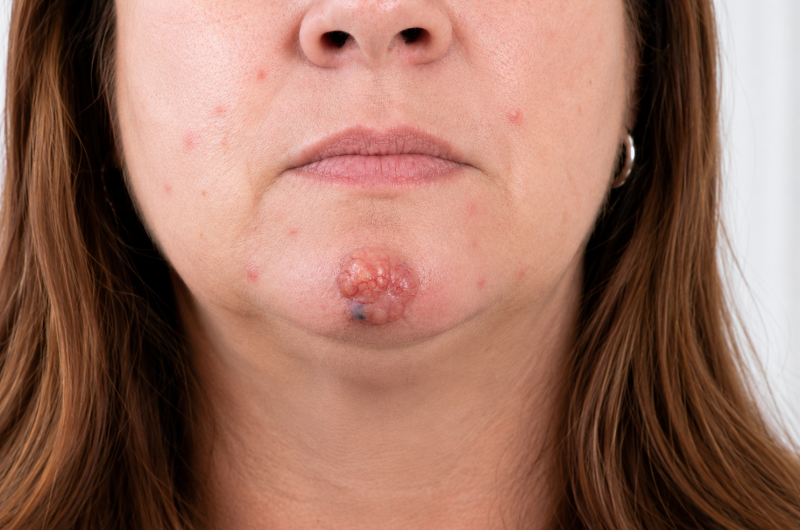
A rare but aggressive skin cancer that can grow and spread quickly. It typically appears as a firm, painless, pink or purple bump, most often on sun-exposed skin like the head, neck, and arms.

The Hawaii Premier Difference
- Board-Certified Experts
We specialize in skin cancer screenings, ensuring you receive the most accurate diagnosis and advanced care available in Hawaii.
- Evidence-Based Treatments
We don’t rely on fads. Our skin cancer care is grounded in evidence, from early detection and biopsy to surgical excision and the latest proven treatment options.
- Compassionate Approach
We understand the emotional toll a skin cancer scare can take on your confidence and daily life. Our team provides a supportive, private, and empathetic environment throughout your treatment journey.
Take the First Step
Choose how you'd like to connect with us:
Skin cancer is one of the most treatable cancers when caught early — but that starts with getting screened. Our Honolulu team is ready to give your skin a thorough, professional check and help you stay ahead of sun damage, year after year.
Other Ways to Reach Us:
- 1600 Kapiolani Boulevard Ste 508, Honolulu, HI, 96814
- Phone: (808) 400-6904
- Email: info@hawaiipremierderm.com
Send us a message or consultation request
Ready to book directly?
Book your in-person consultation in Honolulu to get your personalized treatment roadmap.