
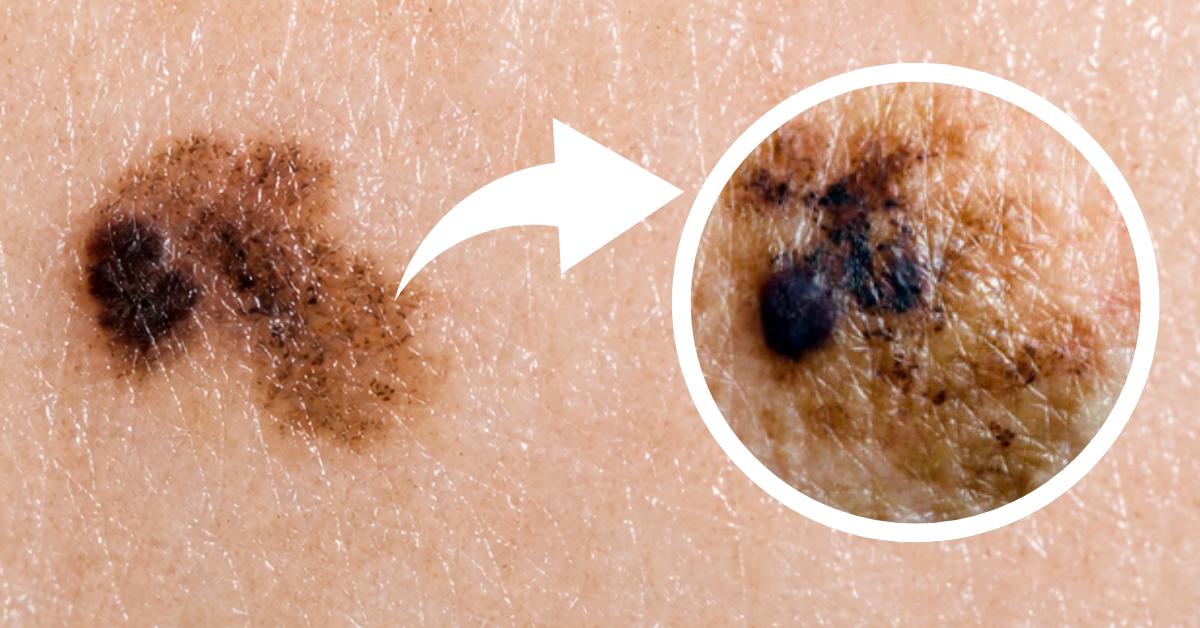
The Mole She Almost Skipped Checking — Here’s What Her Dermatologist Found
By Dr. Tagai, Hawaii Premier Dermatology
Kailani almost let it slide. Between paddling out at sunrise, running her kids to swim practice, and the general chaos of island life, the small, dark spot on her shoulder felt like the least urgent thing on her list. She’d had it for years. It was probably nothing. But a friend’s offhand comment — “you should really get that looked at” — was enough to get her into a Honolulu dermatology office for a skin cancer screening. It’s a good thing she did.
Stories like Kailani’s are more common than you might think, especially here in Hawaii. Year-round sun, time spent outdoors, and a laid-back “it’s probably fine” attitude toward small skin changes mean that early signs of skin cancer often get overlooked. Her dermatologist caught something Kailani had learned to ignore, and it’s a reminder of why regular skin checks matter for everyone living the island lifestyle.
 Schedule your dermatology appointment today
What Is a Skin Cancer Screening?
A skin cancer screening is a thorough, head-to-toe examination of your skin performed by a board-certified dermatologist. During the visit, your dermatologist looks closely at moles, freckles, and other spots for irregularities, measures and documents anything suspicious, and determines whether a biopsy is needed. For residents of Honolulu and across the islands, where UV exposure is intense and year-round, this kind of professional screening catches changes that are easy to miss on your own — especially on your back, scalp, or other hard-to-see areas.
Hawaii’s high UV index, reflective ocean water, and outdoor lifestyle all raise the risk of skin cancer, including melanoma, the most dangerous form. The good news is that when caught early, most skin cancers are highly treatable. That’s exactly why routine screening in Hawaii is one of the most important things you can do for your long-term health.
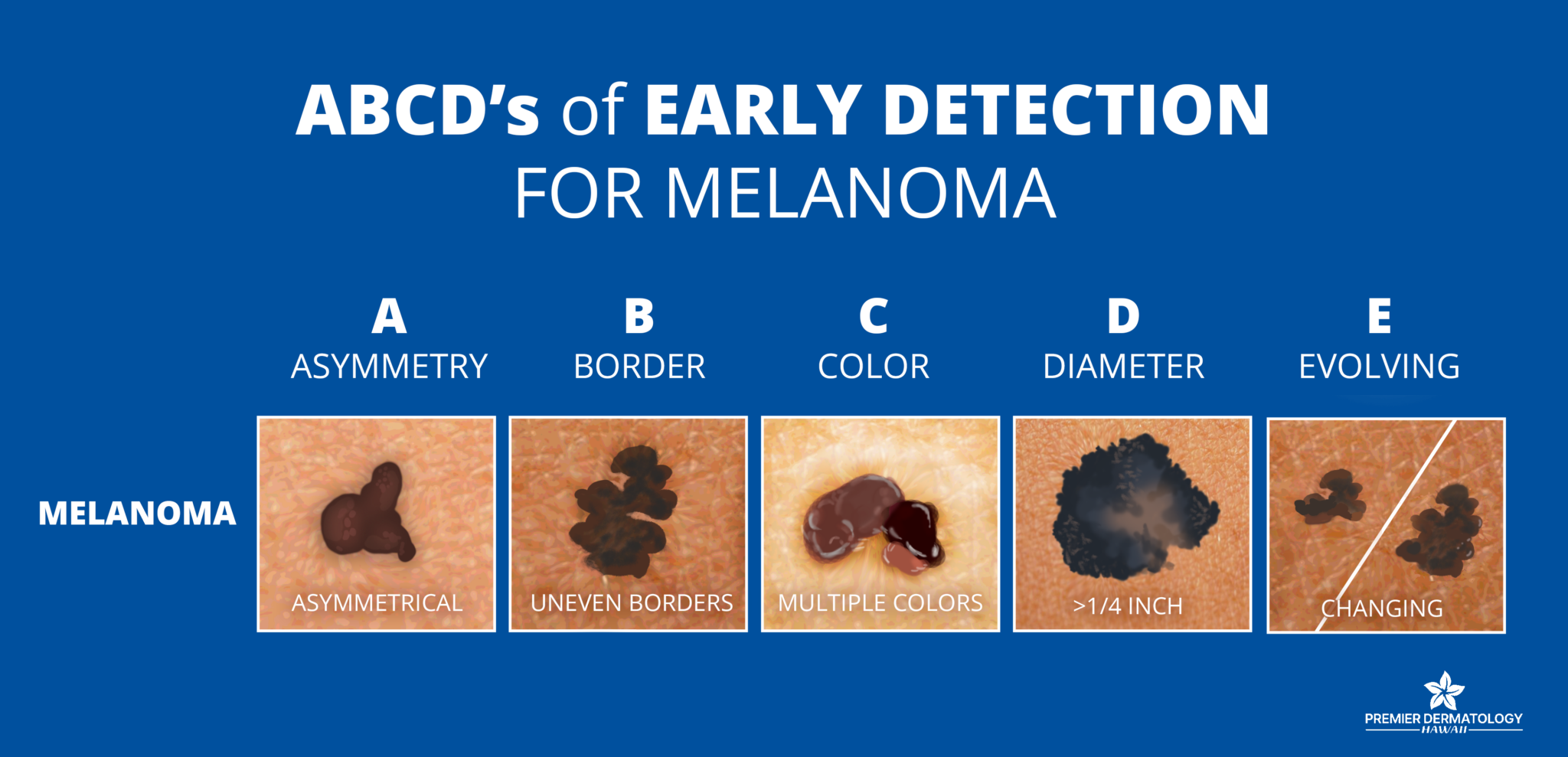
The ABCDE Rule: What Your Dermatologist Looks For
When Kailani’s dermatologist examined the mole on her shoulder, several features stood out right away. Dermatologists use a simple framework called the ABCDE rule to evaluate moles and identify early warning signs of melanoma:
- Asymmetry — one half of the mole doesn’t match the other half.
- Border — the edges are ragged, notched, or blurred rather than smooth.
- Color — the mole contains multiple shades of brown, black, tan, red, white, or blue.
- Diameter — the spot is larger than 6 millimeters, roughly the size of a pencil eraser.
- Evolving — the mole is changing in size, shape, color, or symptoms (itching, bleeding, or crusting) over time.
In Kailani’s case, the mole had started to change color and had an irregular border — subtle shifts she hadn’t noticed herself, but that a trained eye caught immediately. A biopsy confirmed it was an early-stage melanoma, caught early enough for straightforward, successful treatment.
Types of Skin Cancer We Watch For in Hawaii
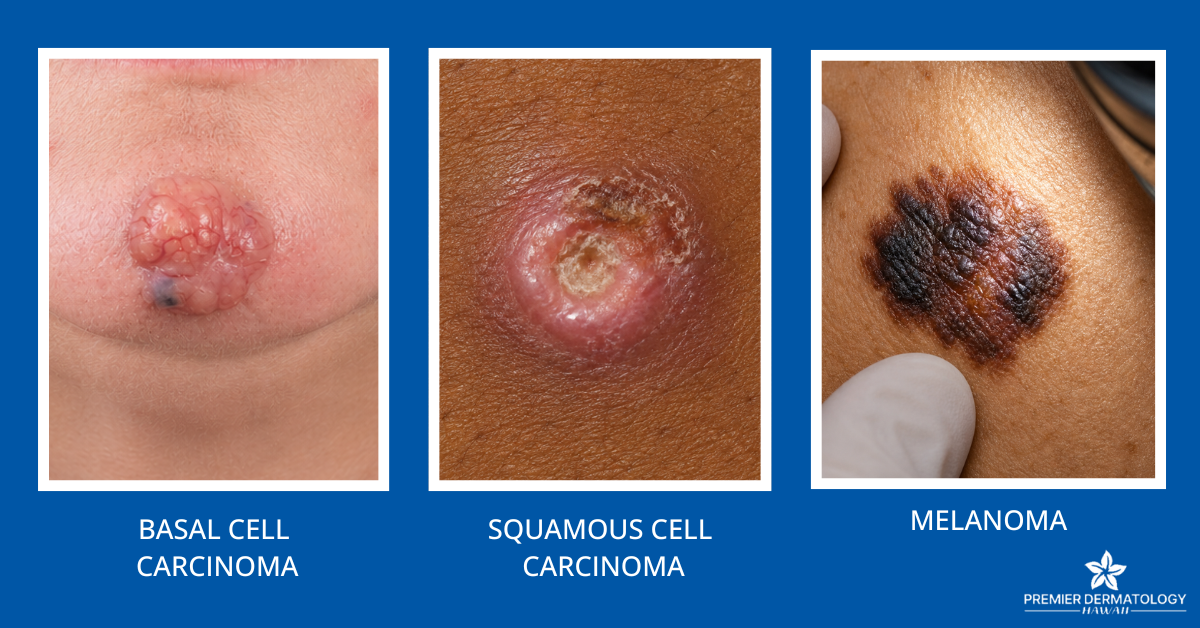
Not every suspicious spot is melanoma, but every suspicious spot deserves attention. The three most common types of skin cancer we screen for include:
- Melanoma — the most serious form of skin cancer, capable of spreading quickly if untreated. It often develops in or near an existing mole.
- Basal cell carcinoma — the most common form of skin cancer, frequently appearing on sun-exposed areas like the face, ears, and neck as a pearly bump or flat, scar-like patch.
- Squamous cell carcinoma — often shows up as a firm, red bump or a scaly, crusted patch, and is closely linked to cumulative sun exposure, a real concern for anyone spending years in Hawaii’s outdoor climate.
Treatment Options
If a screening turns up something concerning, your dermatologist will recommend next steps based on the type, size, and location of the spot. Treatment often starts with a simple biopsy, removing a small sample of tissue to confirm the diagnosis. From there, many skin cancers are treated with excisional surgery, where the growth is removed along with a margin of healthy tissue to make sure nothing is left behind. For skin cancers on the face or other cosmetically sensitive areas, your dermatologist may recommend Mohs surgery, a precise, layer-by-layer removal technique that clears the cancer while preserving as much healthy skin as possible. Certain early, superficial skin cancers can also be treated with topical or light-based therapies. Your dermatologist will walk you through which approach makes the most sense for your specific diagnosis.
At-home monitoring is a helpful habit, but it’s never a substitute for a professional skin cancer screening. Only a dermatologist has the training and tools to accurately evaluate a changing mole and catch melanoma while it’s still highly treatable.
When to See a Dermatologist
You don’t need to wait for an annual visit if something feels off. Schedule a screening if you notice any of the following:
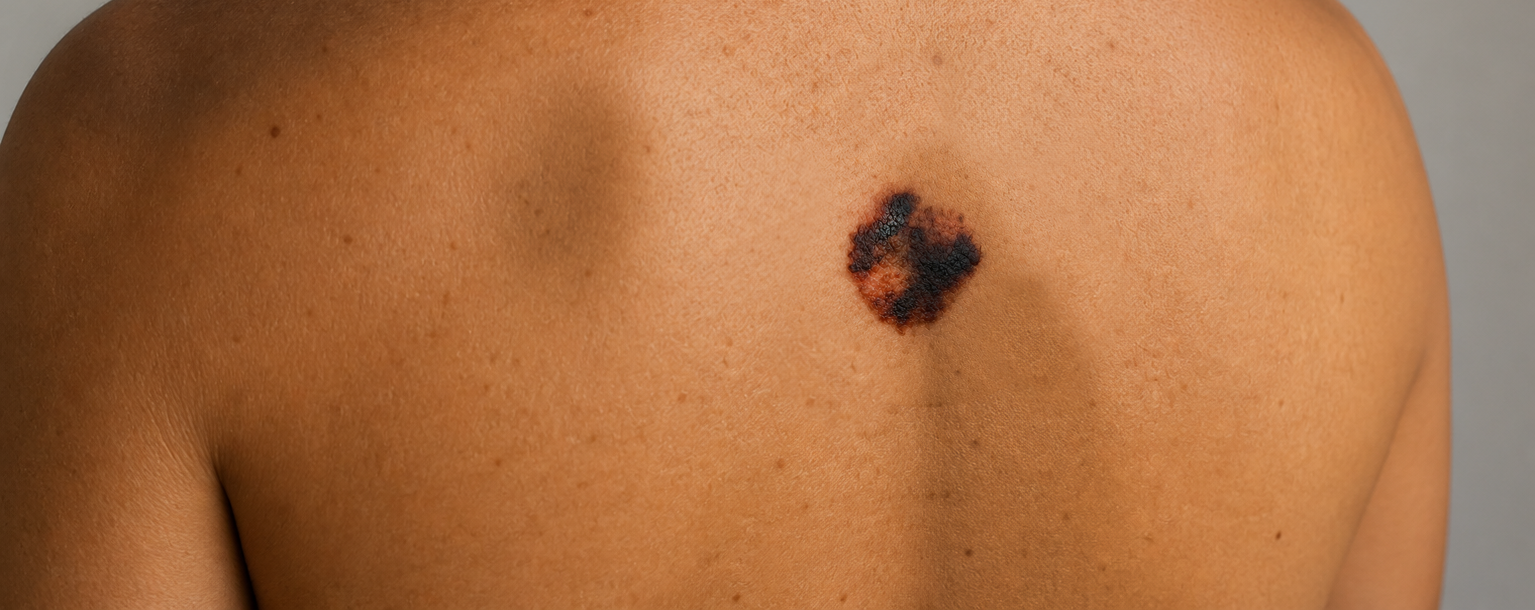
- A mole that fits any part of the ABCDE criteria above.
- A new spot that appeared suddenly, especially after age 30.
- A sore or spot that itches, bleeds, or won’t heal.
- A family history of melanoma or skin cancer.
- A history of blistering sunburns or years of unprotected sun exposure.
- It’s simply been more than a year since your last full-body skin check.
Don’t Wait to Get That Spot Checked
Kailani almost talked herself out of an appointment that ended up catching her melanoma early. Living in Hawaii means more sun, more time outdoors, and more chances for skin changes to go unnoticed. A professional skin cancer screening takes less than an hour and could make all the difference.
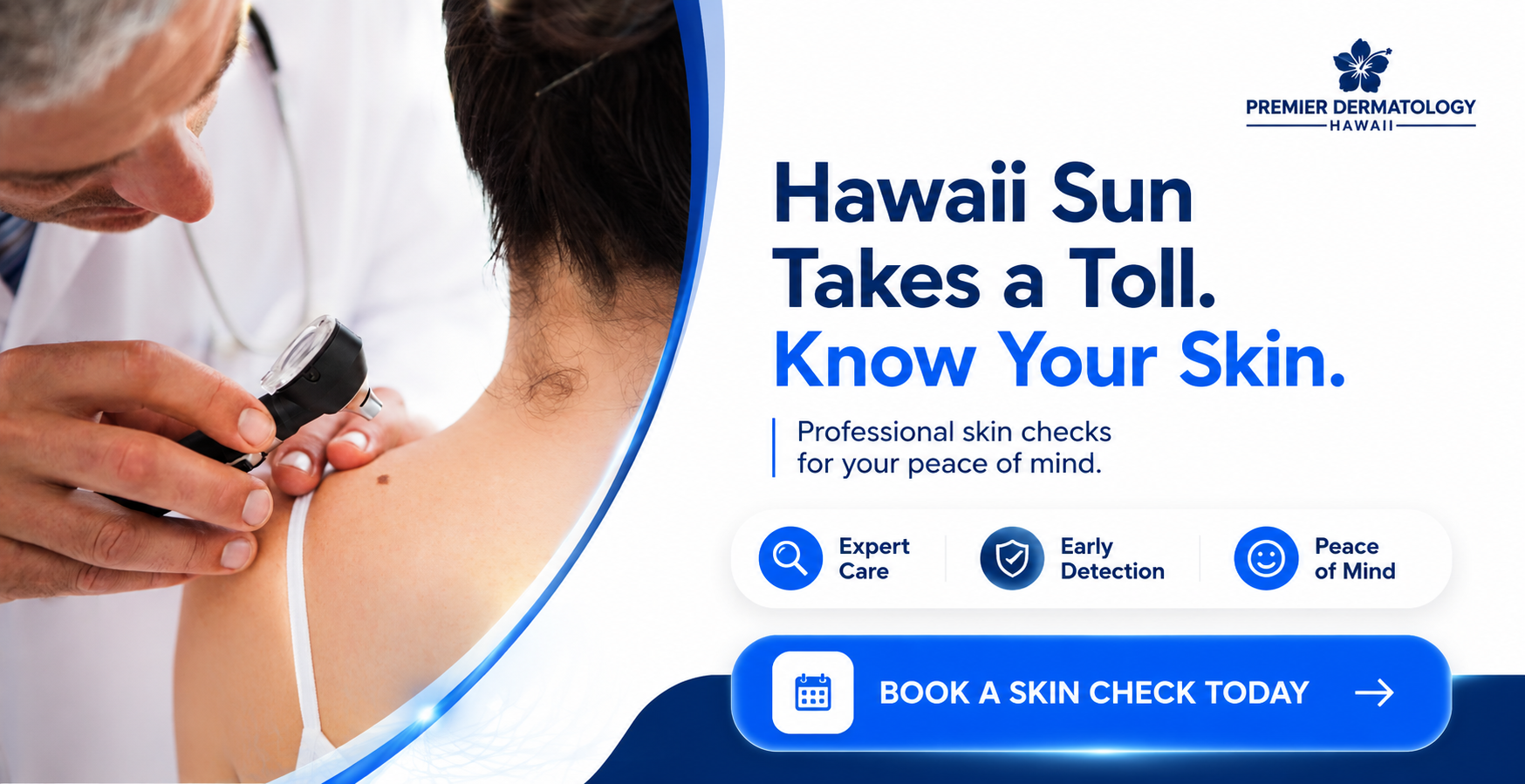
Schedule your dermatology appointment today with Hawaii Premier Dermatology in Honolulu — because the mole you’re not sure about is exactly the one worth checking.