
By Dr. Tagai, Hawaii Premier Dermatology
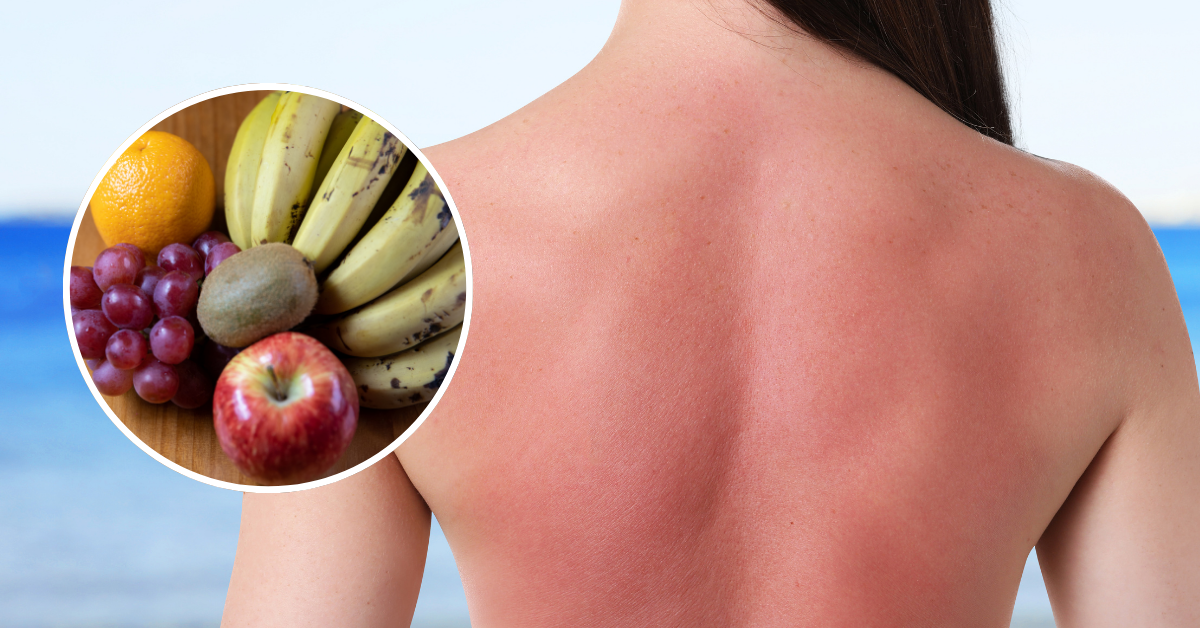
Living in Hawaii means your skin works harder than almost anyone else’s. Year-round sun, saltwater, humidity, and an outdoor lifestyle we wouldn’t trade for anything — it all adds up. Most of us reach for sunscreen, a good moisturizer, and maybe a vitamin C serum. But what if one of the most powerful things you could do for your skin was sitting in your grocery bag?
New research published in May 2026 suggests that eating grapes every day may actually help your skin better defend itself against sun damage — and the effect goes deeper than most people would expect.
📅 Schedule your dermatology appointment today
What Common Fruit was it?
The study, published in ACS Nutrition Science by researchers at Western New England University found that people who ate the equivalent of three servings of grapes a day for just two weeks showed meaningful changes in how their skin was behaving at a cellular level.
Specifically, the researchers found that grape consumption:
- Helped activate processes in the skin that strengthen its natural protective barrier
- Reduced signs of sun-related damage in skin tissue, even in people who weren’t previously considered “sun-responsive”
- Changed the way skin cells were behaving in ways consistent with healthier, more resilient skin
The lead researcher, Professor John Pezzuto, summarized it simply: grapes appear to act as a “superfood” that triggers a response in the human body — including the skin — that supports better health from the inside out.
It is worth noting that the transcriptomic portion of this study involved a small group of four subjects, so while the findings are promising and peer-reviewed, larger studies are still needed. That said, the broader findings measuring sun damage markers covered 26 participants and showed consistent results across the group.
Why Does This Matter for Your Skin?
For anyone living in Honolulu or across the islands, sun exposure is not a seasonal concern — it is a daily reality.
UV radiation here is intense year-round, and even on overcast days, your skin is absorbing more than you might think.
We talk a lot about what you put on your skin — reef-safe sunscreen, antioxidant serums, moisturizers suited to Hawaii’s humidity. But this research is a reminder that what you put in your body matters too. The skin is not just a surface. It is a living organ that responds to what you eat, and emerging research in nutritional dermatology is showing just how powerful that connection can be.
Grapes in particular contain hundreds of natural plant compounds — including resveratrol, quercetin, and anthocyanins — that researchers have long associated with antioxidant and anti-inflammatory benefits. This new study suggests those benefits may extend all the way down to how your skin cells behave day to day.
Food Is One Piece of the Puzzle
While research like this is exciting, it is important to keep it in perspective. Eating grapes is not a substitute for daily sun protection, and no single food is a replacement for a consistent skin care routine. Think of it as one more tool in your arsenal — a delicious one at that.
For Hawaii residents, a well-rounded approach to skin health includes broad-spectrum reef-safe sunscreen every day, regular skin checks, and working with a dermatologist who understands the unique demands of island living. Sun damage, photoaging, and skin cancer risk are real concerns in Honolulu, and the earlier they are addressed, the better the outcomes.

If you have concerns about sun damage, skin aging, or changes in your skin, the team at Hawaii Premier Dermatology is here to help. We provide personalized dermatology care for patients across Honolulu and the islands — because your skin deserves attention from the inside out, and the outside in.
📅 Schedule your dermatology appointment today
Sources
Dave, A., Piya, S., Koomoa, D.-L. T., Lange, I., Choi, J., van Breemen, R. B., & Pezzuto, J. M. (2026). Inter- and intraindividual variation of gene expression in human skin following grape consumption and/or exposure to ultraviolet irradiation. ACS Nutrition Science. https://doi.org/10.1021/acsnutrsci.6c00003