
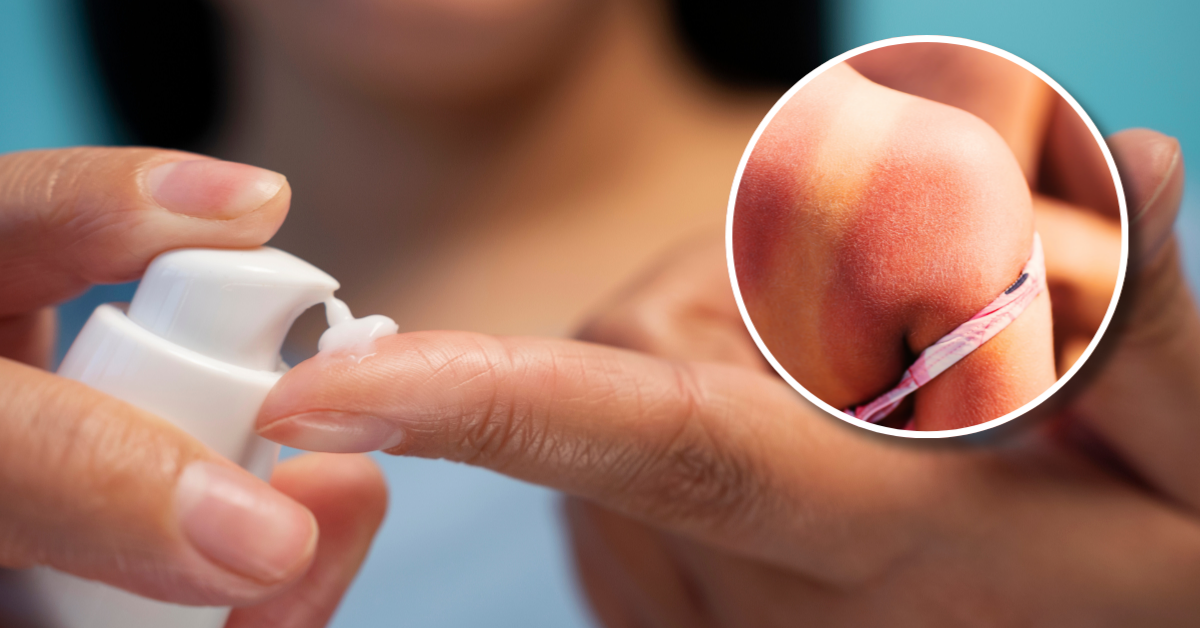
Dermatologists in Honolulu See This Sunscreen Mistake Every Single Day
By Dr. Tagai, Hawaii Premier Dermatology
Every day at Hawaii Premier Dermatology, we see the same thing: patients who are doing almost everything right — buying sunscreen, bringing it to the beach, putting it in their bag — but making one or two small mistakes that leave their skin exposed. In Hawaii, where the UV Index hits extreme levels year-round and outdoor living is a way of life, those small mistakes add up faster than almost anywhere else in the country.
The truth is, sunscreen is one of the most misunderstood products in medicine. Years of confusing labels, conflicting headlines, and social media misinformation have left a lot of Hawaii residents with the wrong idea about how sun protection actually works. So we asked our dermatologists to weigh in on the six myths they hear most often — and what the science actually shows. If you haven’t had a skin check recently, now is a good time to schedule one — especially if you spend a lot of time outdoors in Hawaii.
MYTH 1: “I applied sunscreen this morning, so I’m protected all day.”
THE TRUTH:
This is the single most common mistake we see — and it is the one most likely to cost you. Chemical sunscreens break down with UV exposure and sweat, losing effectiveness within about two hours. Even water-resistant formulas are only rated for 40 to 80 minutes in the water. If you applied sunscreen before your morning surf and never reapplied, your skin has been unprotected for most of the day.
The rule is simple: reapply every two hours outdoors, and immediately after swimming or sweating. Set a phone alarm if you have to. In Honolulu’s heat and humidity, you will almost certainly need to reapply sooner than you think.
MYTH 2: “SPF 100 gives me twice the protection of SPF 50.”
THE TRUTH:
SPF numbers are not linear, and the jump from SPF 50 to SPF 100 is much smaller than it sounds. Here is how the math actually works:
- SPF 30 blocks approximately 97% of UVB rays
- SPF 50 blocks approximately 98% of UVB rays
- SPF 100 blocks approximately 99% of UVB rays
That one-percent difference is real, but it is not the game-changer the marketing suggests. What matters far more is how much sunscreen you apply and how consistently you reapply it. A well-applied SPF 30 will protect you better than a thin, patchy layer of SPF 100. Our dermatologists generally recommend SPF 30 to 50 for daily use, and SPF 50 or higher for extended time outdoors — applied generously and reapplied often.
MYTH 3: “My makeup has SPF in it. That’s enough.”
THE TRUTH:
We hear this one constantly, and we understand the appeal — fewer steps in the morning sounds great. But makeup with SPF almost always provides only 5 to 15 SPF, well below the minimum 30 that dermatologists recommend. And unlike dedicated sunscreen, foundation is not reapplied throughout the day the way sun protection should be.
Sunscreen should be a dedicated step in your morning routine, applied to clean skin before moisturizer and makeup. Think of your SPF makeup as a bonus, not a substitute. And do not forget: sunscreen needs to go on your neck, ears, and the back of your hands too — areas that rarely see a foundation brush.
MYTH 4: “I have dark skin. I don’t burn, so I don’t need sunscreen.”
THE TRUTH:
Melanin does provide some natural UV protection, which is why people with darker skin tones are less likely to sunburn visibly. But it does not prevent UV damage altogether — and it absolutely does not prevent skin cancer. Darker-skinned individuals can and do develop melanoma, squamous cell carcinoma, and basal cell carcinoma from UV exposure.
There is another concern specific to Hawaii’s patient population: skin cancer in people with darker skin is frequently diagnosed at a later, more advanced stage — in part because of the myth that dark skin is fully protected. Catching it early, when outcomes are best, means not skipping sunscreen and not skipping your annual skin check.
MYTH 5: “I don’t need sunscreen indoors or on cloudy days.”
THE TRUTH:
Clouds filter some UVB rays — but not UVA rays, which penetrate cloud cover and glass and are a significant driver of skin aging and melanoma risk. If you sit near a window at work, drive regularly, or spend time in a car, you are receiving meaningful UVA exposure even on overcast days.
In Hawaii, this matters more than most people realize. Our year-round cloud patterns, especially on the windward side of the islands, can create a false sense of security. UV exposure here is significant even when the sky is grey. A daily moisturizer or makeup with SPF helps on mostly-indoor days — but on days with any meaningful outdoor time, a dedicated broad-spectrum sunscreen is non-negotiable.
MYTH 6: “Natural and reef-safe sunscreens don’t work as well.”
THE TRUTH:
This one is understandable — Hawaii’s reef-safe sunscreen law bans oxybenzone and octinoxate, two chemical filters that have been widely used for decades. Some patients worry that switching to mineral sunscreens means giving up protection.
The good news: mineral sunscreens with zinc oxide are highly effective, provide excellent broad-spectrum protection, and are generally gentler on sensitive skin. They do tend to leave more of a white cast, especially on darker skin tones — but formulations have improved significantly, and tinted mineral options are widely available. As a bonus, reef-safe choices protect Hawaii’s coral ecosystems, which is something our community genuinely cares about.
Whatever formula you choose, look for “broad spectrum” on the label — the FDA designation that confirms protection against both UVA and UVB radiation.
The Mistake Underneath All the Myths
If there is a single thread connecting all six of these myths, it is this: most people are treating sunscreen as a checkbox rather than a habit. They buy it, they apply it once, and they assume they are covered. In most parts of the world, that might be a minor shortcoming. In Hawaii, where UV exposure is intense, year-round, and cumulative, it is a real risk.
Skin cancer is one of the most preventable cancers we know of — and one of the most treatable when caught early. The combination of consistent sunscreen use, protective clothing, and annual skin checks with a dermatologist gives you the strongest possible defense.
When to See a Dermatologist
Sunscreen is your daily defense, but it is not a substitute for professional care. Schedule an appointment if:
- You notice a new spot, mole, or lesion that is changing in size, shape, or color
- A spot bleeds, crusts, or fails to heal within a few weeks
- You have a history of significant sun exposure, sunburns, or tanning bed use
- A family member has been diagnosed with melanoma or another skin cancer
- You have not had a full-body skin exam in the past year
- You want personalized guidance on the right sunscreen for your skin type
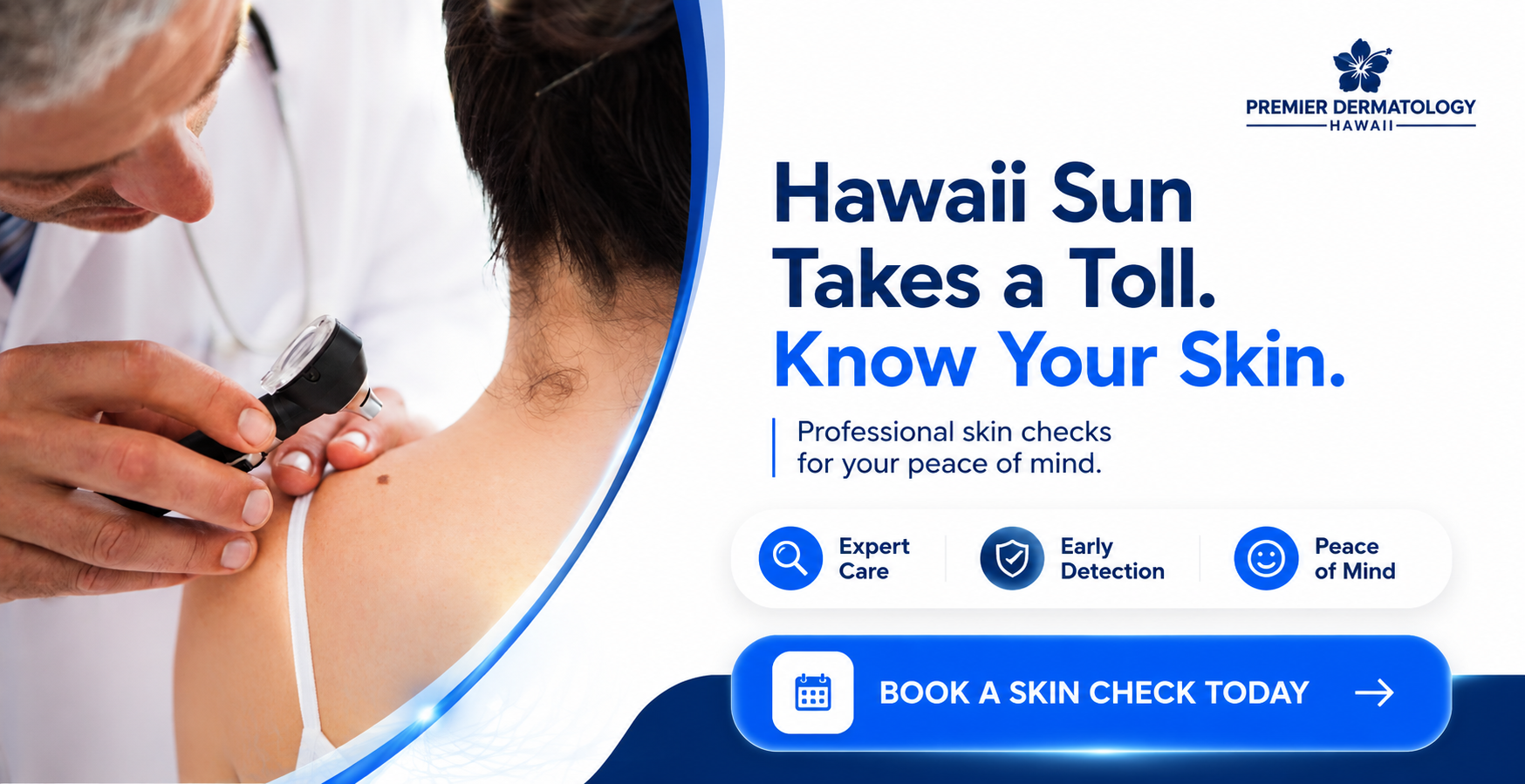
Sun Protection That Fits Your Life in Hawaii
At Hawaii Premier Dermatology, we know that sun protection looks different for a Honolulu surfer than it does for someone who works from home in Kailua. Our team will help you find the right sunscreen, the right routine, and the right screening schedule for your skin and your lifestyle — so you can spend more time outside and less time worrying.
📅 Schedule your dermatology appointment today for expert skin cancer screening and sun protection guidance in Honolulu.
Sources
American Cancer Society. Key Statistics for Melanoma Skin Cancer. Updated January 2026. | Skin Cancer Foundation. Skin Cancer Facts & Statistics, 2026. | Stanford Medicine. Sunscreen Fact and Fiction: What the Science Says. June 2026. | MD Anderson Cancer Center. 10 Sunscreen Myths Debunked. May 2024. | U.S. Food and Drug Administration. Sunscreen: How to Help Protect Your Skin from the Sun. | Hawaii Revised Statutes §342D-21 (Sunscreen restrictions — oxybenzone and octinoxate ban).